Prolonged power outage: what your insurance covers
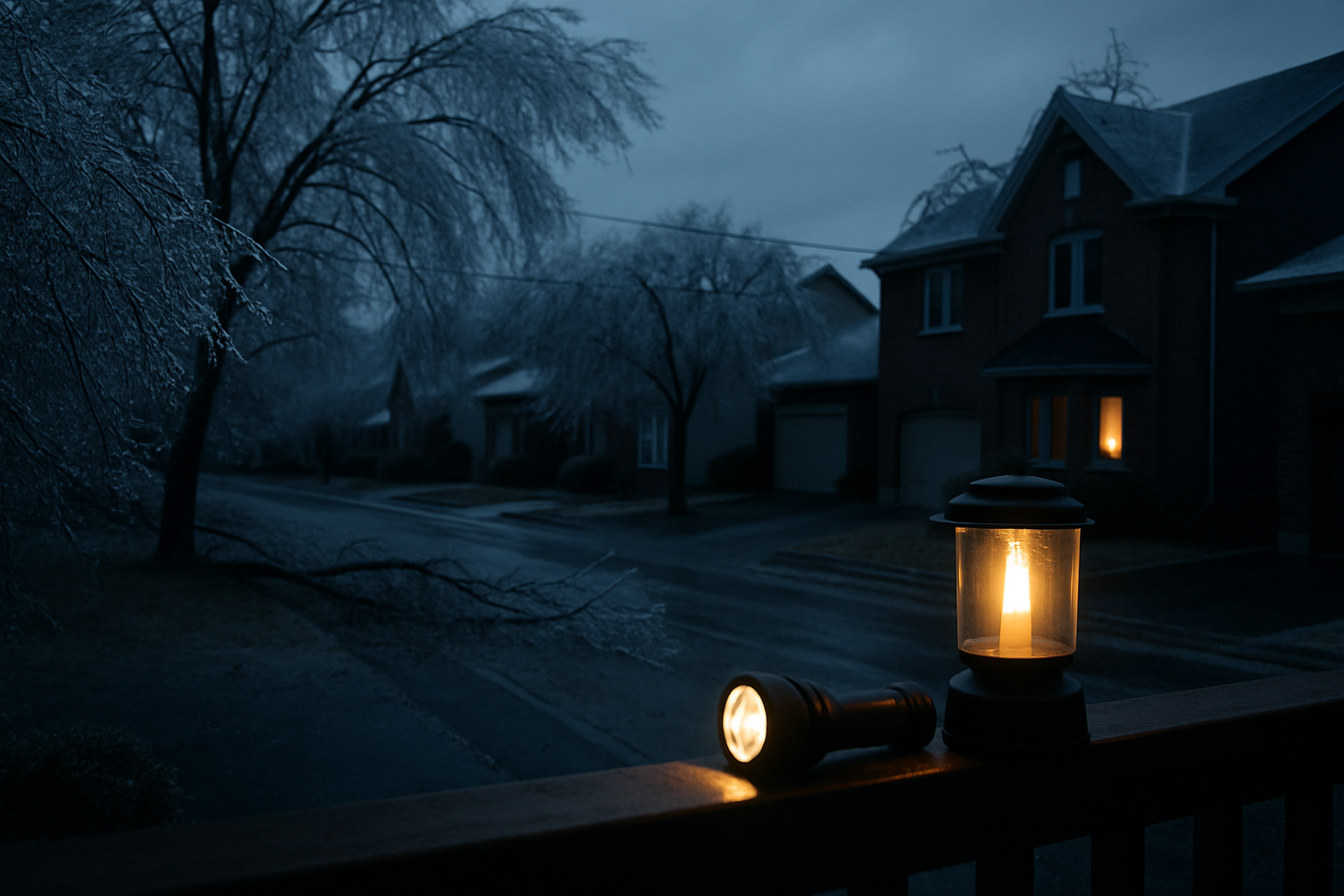
An ice storm, a branch on a power line, and your home is left without electricity for days. Does your home insurance cover lost food, hotels, and frozen pipes? It all depends on your contract, and mid-October is a good time to check it, before the first bad weather of the season. See what your home insurance typically covers and what you should prepare in advance.
Why address it by mid-October
In Quebec, the season for prolonged outages stretches from fall through spring: violent winds in October and November, wet snow that weighs down branches, freezing rain in the heart of winter, then warm spells and spring flooding. The first episodes often arrive before we even take out the shovels.
By mid-October, you still have time to review your contract, photograph your belongings, and test your emergency equipment. Once a storm is announced, generators, fuel cans, and batteries become scarce, and it becomes harder to calmly ask your insurer questions.
The goal is not to buy extra coverage at any cost, but to know exactly what you already have and where the gaps are.
What home insurance covers (or doesn’t) during an outage
Contracts vary from insurer to insurer, but certain elements come up regularly. Loss of refrigerated or frozen food is sometimes covered when the outage exceeds a certain number of hours, with a reimbursement limit. Additional subsistence costs (hotel, extra meals) may apply if the home becomes uninhabitable following a covered claim, but not always when you choose to leave for greater comfort.
The cause of the outage also matters. An interruption due to a break in the external network is not always treated as damage to your property, and some guarantees require a minimum interruption duration. These details are found in the contract conditions, rarely in the summary page. As a reference, limits on food are often modest compared to the value of a full freezer, which is why it’s worth checking your limit.
- Are perishable foods covered, up to what amount, and after how many hours of outage?
- Are additional subsistence costs included, and for what maximum duration?
- Does the cause of the outage (external network or damage at your property) change the coverage?
- What deductible applies to this type of claim?
- Is the basement or garage freezer covered the same way as the kitchen one?
- Is there a separate limit for food?
Renters and condo owners
If you’re a renter, your food and personal belongings are covered by your own contract, while the building is the landlord’s responsibility. In condominiums, the syndicate’s policy generally protects the structure and common areas, and it’s up to you to insure your contents and improvements. In both cases, ask what your contract provides for food and relocation.
Heating cut off: frozen pipes and water damage
In the middle of winter, the most costly risk from an outage isn’t the contents of the refrigerator, it’s water. Without heat, pipes can freeze and burst, and water damage often becomes apparent when power returns, when the ice melts.
Insurers generally expect you to take reasonable measures to limit damage: maintain minimum heat or, if that’s not possible, shut off the water main and drain the plumbing. If you leave the house for several days to stay with loved ones, some contracts have conditions related to vacancy. Ask the question before winter rather than at the time of a claim.
- Locate the main water shutoff and learn how to close it, you and your family members.
- Open the doors of kitchen and bathroom cabinets located on an exterior wall.
- Gather in a room you can keep warmer, away from exposed plumbing.
- Photograph damage before cleaning or repairing.
- Keep receipts for any emergency purchases (blankets, space heating, meals, accommodation).
- Alert your insurer quickly, without waiting for a complete return to normal.
Generator and space heating: safety first
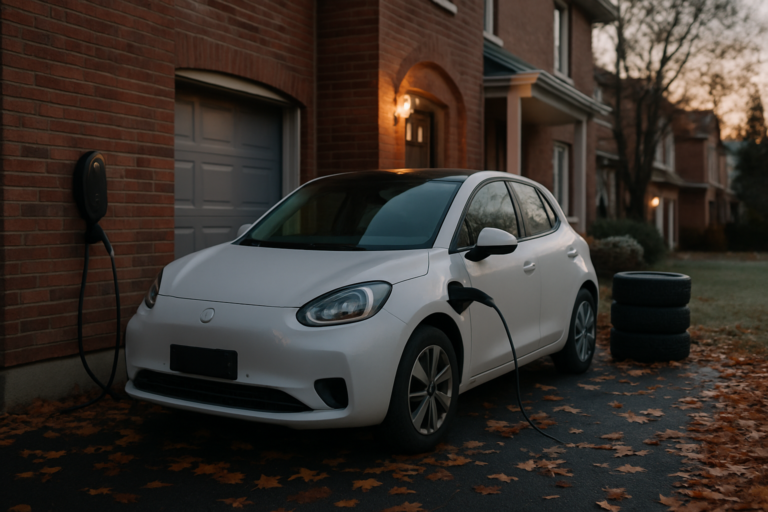
A generator can save a long outage, but it should never be run indoors, not even in the garage with the door open. Carbon monoxide is invisible and odorless, and it infiltrates quickly. Install it outside, at a safe distance from windows and air vents. If you want to connect it to your electrical panel, call a qualified electrician to install an appropriate transfer switch to prevent any power backfeed into the network.
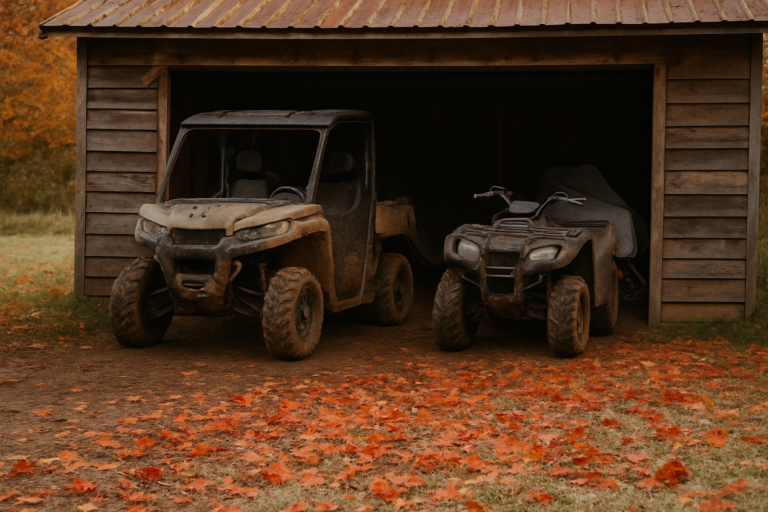
On the insurance side, a fire or damage caused by a poorly installed or misused device can complicate settlement. If you add a fixed generator or a new heating method, inform your insurer and ask if it changes your coverage. For a portable generator, also check that it’s well protected against theft, especially if you store it in a shed.
Emergency kit and detectors
Civil security authorities recommend being self-sufficient for at least 72 hours. Stock water, non-perishable food, a headlamp, a battery-powered radio, your medications, and a battery-powered carbon monoxide detector. Test your smoke detectors when you change batteries in the fall.
Business owners: merchandise, equipment, and lost revenue
For a business, restaurant, workshop, or self-employed person, a few days without power add up to lost sales, spoiled merchandise, and equipment damage. In a business insurance policy, deterioration of refrigerated goods, equipment breakdown, or service interruption are often optional guarantees. If they’re not in your contract, they won’t apply.
Loss of revenue is generally tied to a covered claim, and a waiting period may apply before compensation starts. An interruption caused by the external network is not automatically included. Ask in writing how your contract handles this scenario, and what the protection limit is.
- Keep an up-to-date inventory with values of merchandise sensitive to cold or heat.
- Install thermometers or a temperature recorder to document the duration of the outage.
- Plan a backup: generator, ice supplier, alternative location.
- Keep a list of your customers and suppliers handy to notify them quickly.
- Back up your data in the cloud and protect sensitive equipment with surge protectors.
- If you work from home, check that your professional equipment is properly covered by your contract.
Ice storm and vehicles: branches, trees, and parking
Ice storms crack branches, and a tree falling on a car is not a traffic accident. This type of damage falls under the coverage for damage other than collision, if you’ve chosen it. The SAAQ public system covers personal injury, not material damage to your vehicle. Check your auto insurance to know your deductible and protections.
When possible, avoid parking under large trees or near power lines when ice is forecast. If a tree from a neighboring property falls on yours, your home insurance policy is usually the first line of defense for building damage, and the question of liability depends on the circumstances. For trimming near power lines, check with your municipality.
Your October checklist
One hour well invested now is worth days of headaches later. Review your contract, then your home, noting what’s missing.
Then keep your documents in an accessible place, including outside your home (cloud, email, or a copy with a loved one), because you may not be able to return home after a claim.
- Review the conditions on food, subsistence costs, and deductibles.
- Photograph or film each room, garage, and shed, then keep receipts for valuable items.
- Check the condition of your roof, gutters, and trees near the house.
- Test the generator, fill it with approved fuel, and store it safely.
- Prepare the 72-hour kit and place it somewhere everyone knows about.
- Note useful numbers: insurer, electricity distributor, municipality.
Frequently asked questions
Are my lost food during an outage reimbursed?
It depends on your contract. Some include coverage for perishable food with a limit and minimum outage duration, others don’t. Verify these conditions before winter.
Who pays for the hotel if my home is too cold to stay in?
Additional subsistence costs are generally tied to a covered claim that makes the home uninhabitable. A simple power outage doesn’t always trigger this reimbursement, which is why it’s worth asking your insurer about the terms.
Is a power outage automatically covered?
Not always. Coverage can vary depending on the cause of the interruption, its duration, and the guarantees you’ve chosen. The precise conditions are found in your contract.
Does my insurance cover burst pipes from freezing?
Often yes, under certain conditions, particularly that you’ve taken reasonable measures to limit damage. Some contracts also have requirements if you’re away for an extended period. Confirm these before the cold season.
Do I need to inform my insurer if I buy a generator?
It’s a good idea, especially for a fixed generator or one connected to your electrical panel. This allows you to confirm the installation is accepted and to know if theft or damage protection applies.
A tree fell on my car during an ice storm: am I covered?
If you have coverage for damage other than collision, you’re generally covered after your deductible is applied. Without this coverage, the damage remains your responsibility.
My business is closed due to an outage: are my lost revenues covered?
Only if your policy includes business interruption coverage that applies to this type of event. A waiting period and limit may apply. Clarify which causes of outage are covered.
What should I do first after water damage from an outage?
Ensure your safety, shut off the water and electricity if necessary, then photograph the damage before cleaning. Then alert your insurer and keep all emergency receipts.
Better to ask questions before the storm
A prolonged outage isn’t just an inconvenience: it can result in food loss, frozen pipes, accommodation costs, and for a business, lost revenue. Every contract reacts a little differently, and the conditions are as important as the amounts. Take advantage of autumn to review your coverage, document your belongings, and prepare your emergency equipment. You’ll get through the season with less uncertainty.
On AccesDirect, you compare online the offers from partner firms and brokers licensed in their province. The service is free and without obligation.
Compare your home insurance options before the first bad weather of winter.
Compare now →Also read: Home insurance in Quebec · Business insurance · Auto insurance in Quebec
Une seule requête
Remplissez un profil unique. On interroge les assureurs à votre place — vous ne recommencez jamais.
Sans engagement
Comparer ne vous engage à rien. Vous choisissez qui contacter — ou personne. On ne revend pas votre numéro.
Réseau pan-canadien
Auto, habitation, moto, VR. Des cabinets et courtiers partenaires licenciés partout au pays.
Le meilleur prix vous attend.
Comparez en 3 minutes. Choisissez votre couverture. Aucun rappel commercial forcé.