Water Damage: 8 Myths About Your Home Insurance
A pipe bursts, a basement gets wet, and you discover that « water damage » doesn’t mean the same thing to your insurer as it does to you. Does your home insurance really cover all water damage? In mid-October, before the first freezing nights, it’s the right time to separate fact from fiction. Here are eight common misconceptions and what home insurance contracts generally provide for in Quebec.
Why myths about water are so costly in the fall
Autumn accumulates risks: heavy rain, leaves in gutters, heating being turned back on, first frosts. It’s also the season when you close up the cottage, prepare to head south, and put away summer equipment. In short, plenty of opportunities to think you’re protected without rereading your contract.
The problem is rarely the absence of insurance, but the gap between what you think is covered and what actually is. A contract is not a blank check: it covers specific causes, under certain conditions, with limits and a deductible. And if you enjoy demystifying popular beliefs, this overview of common insurance myths complements this article well.
The examples below are general. Each contract has its wordings, endorsements and exclusions, and premiums and protections vary based on your profile and property. Your policy remains the reference.
Myth 1: « All water damage is covered »
Reality: the cause of the water matters as much as the damage itself. A basic contract generally covers water that escapes suddenly and accidentally from piping, a water heater, dishwasher or heating system. Damage that comes from outside or develops slowly is a different matter.
To know where you stand, reread the water damage section of your policy and identify recurring words: « sudden », « accidental », « gradual », « backup », « infiltration ».
- Generally covered: sudden pipe rupture, appliance overflow, accidental heating system leak.
- Often excluded: slow and continuous leak, chronic humidity, mold related to maintenance issues.
- To verify: water entering through the floor, foundations or ground surface.
Sudden and accidental: the key criterion
A pipe that bursts on a Saturday evening is a sudden event. A joint that seeps under the sink for months is not. In the second case, the insurer may speak of wear and tear or negligence, and the claim risks being refused.
The trap of a discreet leak
A small leak behind a wall can go unnoticed for a long time. Regularly checking under sinks, behind toilets and around the water heater remains the simplest step to avoid discussion about the « gradual » nature of the damage.
Myth 2: « Sewer backup is automatically included »
Reality: in many contracts, sewer backup, foundation infiltration and groundwater rise are not included as standard. They are covered by an endorsement (additional protection), often with its own limits and its own deductible. Depending on the insurer, the wording varies, which is why careful reading is important.
Many homeowners discover this distinction after a major storm or during snow melt—that is, too late. A finished basement, with flooring, walls and furniture, often represents a considerable sum to replace. It’s worth checking before the season, not after.
- Sewer backup (water backing up through the floor drain or toilet).
- Water infiltration through basement walls or slab.
- Surface water overflow during heavy rain.
- Sump pump failure or malfunction, if you have one.
- The protection limits and deductible specific to these events.
Myth 3: « If my pipes freeze while I’m away, I’m covered »
Reality: freezing is a typical case where contract conditions play a major role. Many policies require heating to be maintained, or that someone regularly checks the house when it’s unoccupied beyond a certain number of consecutive days. This number varies from contract to contract. If these conditions are not met, coverage may be reduced or refused.
This concerns people who spend the winter in the South (also remember to validate your travel insurance before departure), but also owners of cottages and other secondary residences. Even a week of vacation in January can be enough to create a problem if heating fails.
Before leaving, notify your insurer or broker of the length of your absence, ask what conditions must be met, and keep a record of what you’ve done (water shut-off, inspections by a trusted person).
- Maintain a minimum interior temperature, according to your contract requirements.
- Have the house inspected at regular intervals by a trusted person.
- Shut off the main water supply and drain the pipes if the contract or plumber recommends it.
- Plan who can respond quickly in case of alarm or heating failure.
Myths 4 and 5: maintenance and pipe repair
Myth 4: « Water damage is bad luck, never my responsibility. » Reality: the insurer distinguishes the unforeseen from what results from lack of maintenance. Clogged gutters, a defective flashing or an old water heater never inspected can weigh in the analysis of a claim. It’s not a trap: the contract assumes you keep the property in good condition.
Myth 5: « Insurance will also pay for the repair of the part that failed. » Reality: often, coverage aims at damage caused by water (floors, drywall, furniture), but not necessarily the replacement of the failed appliance or pipe itself. Wordings differ, so ask the question clearly.
A small fall routine reduces bad surprises:
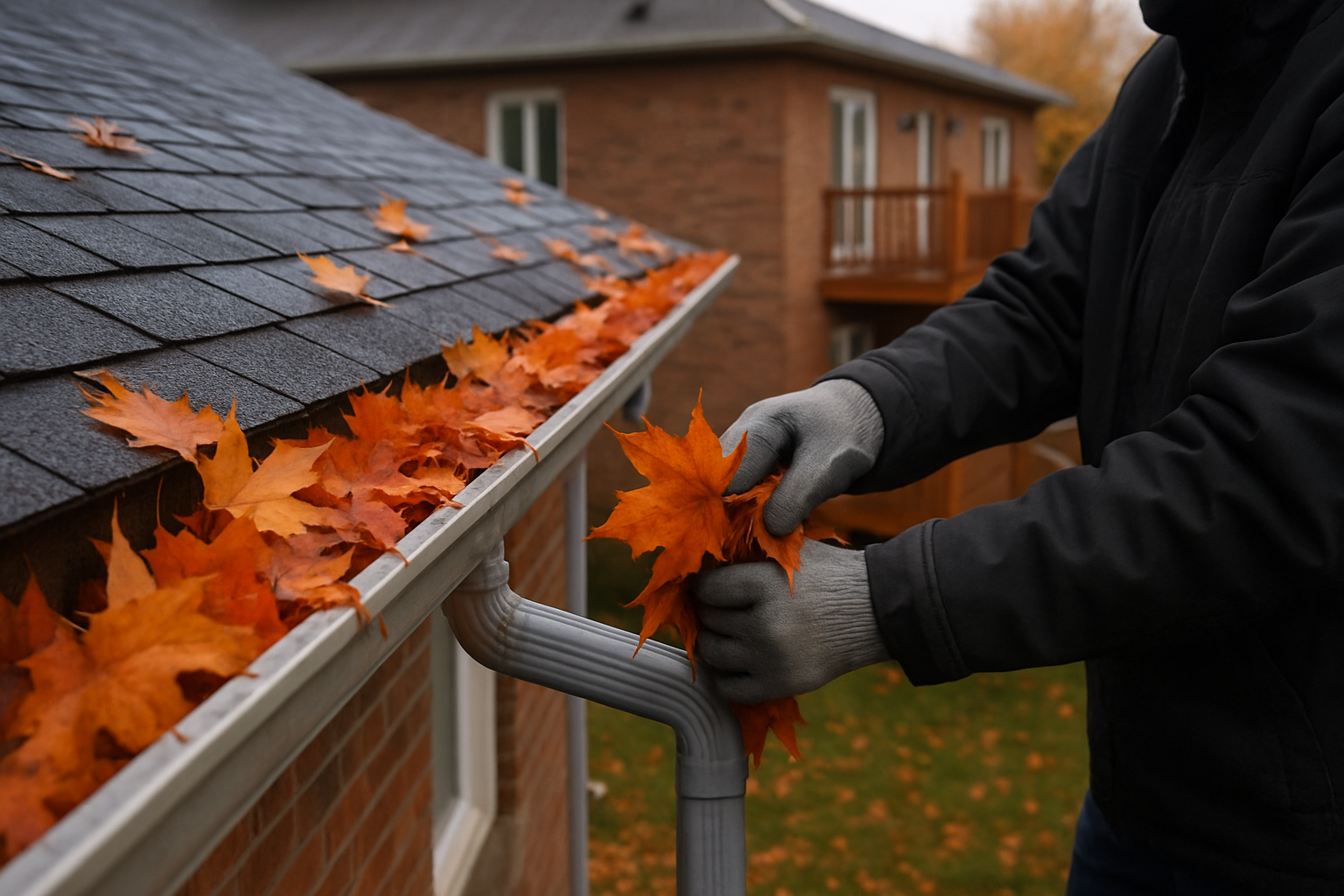
- Clean gutters and clear downspouts away from foundations.
- Disconnect and drain garden hoses, then close outdoor faucets.
- Check the age of the water heater and condition of washing machine and dishwasher hoses.
- Inspect caulking around windows, roof and flashing.
- Test the sump pump and clear the floor drain.
- Locate the main water supply and make sure all occupants know how to shut it off.
Myth 6: « My landlord or my condo association already covered everything »
Reality: building insurance generally protects the structure and parts the owner is responsible for. It does not replace yours for your belongings and liability. Depending on situations, you may be responsible for certain damage.
Let’s take three common situations and what they have in common: water coming from a neighboring unit doesn’t automatically settle who pays what.
Tenants
Your furniture, clothes and appliances are not covered by the landlord’s insurance. A tenant contract also protects your civil liability if water from your unit damages the one below. Depending on circumstances, the bill may be sent to you.
Condo owners
The syndicate’s insurance and yours share roles, according to the declaration of co-ownership. Read it, compare it with your policy and make sure there’s no gap between the two, especially for improvements made to your unit and for the deductible that may be assigned to you.
Self-employed and small business owners
If you receive clients at home or store business equipment in the basement, water can damage items your residential contract does not cover or covers minimally. Business insurance coverage or a suitable endorsement can meet this need. Ask exactly what your current policy covers.
Myths 7 and 8: reimbursement, deductible and claim
Myth 7: « I will be reimbursed at the price I paid. » Reality: it depends on the indemnification basis provided for. With actual cash value coverage, age and wear of the item are taken into account. With replacement cost coverage (or new for old), the indemnity aims to replace the item with an equivalent new one, subject to contract limits. The difference can be substantial for a finished basement, appliances or flooring.
Myth 8: « Filing a claim always skyrockets my premium, so I don’t report it. » Reality: the effect of a claim on your premium depends on the insurer, the nature of the loss and your history. Failing to report serious water damage is risky, because hidden damage can worsen (mold, structure) and leave you without recourse. For small amounts close to the deductible, compare the deductible, possible impact on the premium and actual cost of repair, then ask before deciding. The same verification reflex applies to auto: see for example these common myths in auto insurance.
In case of loss, a few steps help protect your file:
- Turn off water and, if needed, electricity if it’s safe, then limit damage (blot, move what can be moved).
- Photograph and film damage before major cleanup.
- Keep damaged items and emergency repair receipts, per insurer instructions.
- Notify your insurer or broker quickly, without waiting to know the final extent.
- List affected items, with brand, purchase date and approximate value.
Frequently Asked Questions
Is a pipe that bursts due to freezing covered by home insurance?
Often yes, if the event is sudden and the contract conditions are met, particularly maintaining heat. Requirements in case of absence vary from one policy to another. Reread clauses about vacancy and heating, or ask your insurer before winter.
What is sewer backup and why does it need separate protection?
It’s sewage or wastewater backing up into the house through a drain or toilet. Many basic contracts don’t cover it, but offer an endorsement for it. Check if you have it, what the protection limit is and what deductible applies.
Is a backflow preventer enough to avoid problems?
A properly installed and maintained backflow preventer reduces backup risk, but doesn’t always eliminate it. Some insurers take it into account, others don’t. Some municipalities also offer assistance programs: check with yours.
Can my insurer refuse my claim if the leak had been going on for a long time?
It’s possible. Damage resulting from slow leaks, chronic humidity or lack of maintenance are often excluded. Sudden and accidental damage is treated differently, which is why it’s worth inspecting your home’s sensitive areas regularly.
What happens if I leave for several weeks in winter?
You should notify your insurer and follow conditions related to vacancy: heating maintained, regular visits, sometimes water shut-off. These requirements vary by contract. Checking before departure avoids discovering an exclusion when a loss occurs.
Is mold covered after water damage?
It depends on the contract. When mold results from covered water damage and you act quickly, some contracts offer protection, often limited. If it results from chronic humidity, it’s generally excluded. Dry and document quickly.
Who pays if water from my unit damages my neighbor’s?
The question involves civil liability and depends on the circumstances of the event. Home insurance, including a tenant’s, generally includes civil liability protection that may apply. Each case is analyzed based on facts and the contract.
Should I review my contract every year?
It’s a good habit, especially after renovations, a finished basement or purchase of valuable items. Insured amounts, endorsements and the indemnification basis may no longer match your reality. Annual review takes little time and avoids unpleasant surprises.
Review your contract before water forces you to
Water damage rarely surprises by its extent, but often by what it reveals about a misunderstood contract. Fact and fiction lie in a few points: cause of water, endorsements, conditions for absence, maintenance and indemnification method. An hour of reading and a few maintenance steps in October are worth more than a long discussion in the midst of a loss.
On AccesDirect, you compare online offers from partner brokers and firms licensed in their province. The service is free and without obligation.
Compare home insurance offers and validate what is really included.
Compare home insurance →Also read: Home Insurance in Quebec · Travel Insurance · Business Insurance
Une seule requête
Remplissez un profil unique. On interroge les assureurs à votre place — vous ne recommencez jamais.
Sans engagement
Comparer ne vous engage à rien. Vous choisissez qui contacter — ou personne. On ne revend pas votre numéro.
Réseau pan-canadien
Auto, habitation, moto, VR. Des cabinets et courtiers partenaires licenciés partout au pays.
Le meilleur prix vous attend.
Comparez en 3 minutes. Choisissez votre couverture. Aucun rappel commercial forcé.